PracticeBeat Branding & Websites

PracticeBeat is a patient acquisition software that provides medical practices with a platform to manage appointments, referrals, reviews, and more; all with an integrated website built on the platform. When I started with Treatspace, my job was to design the websites and have them built within 30-60 days.

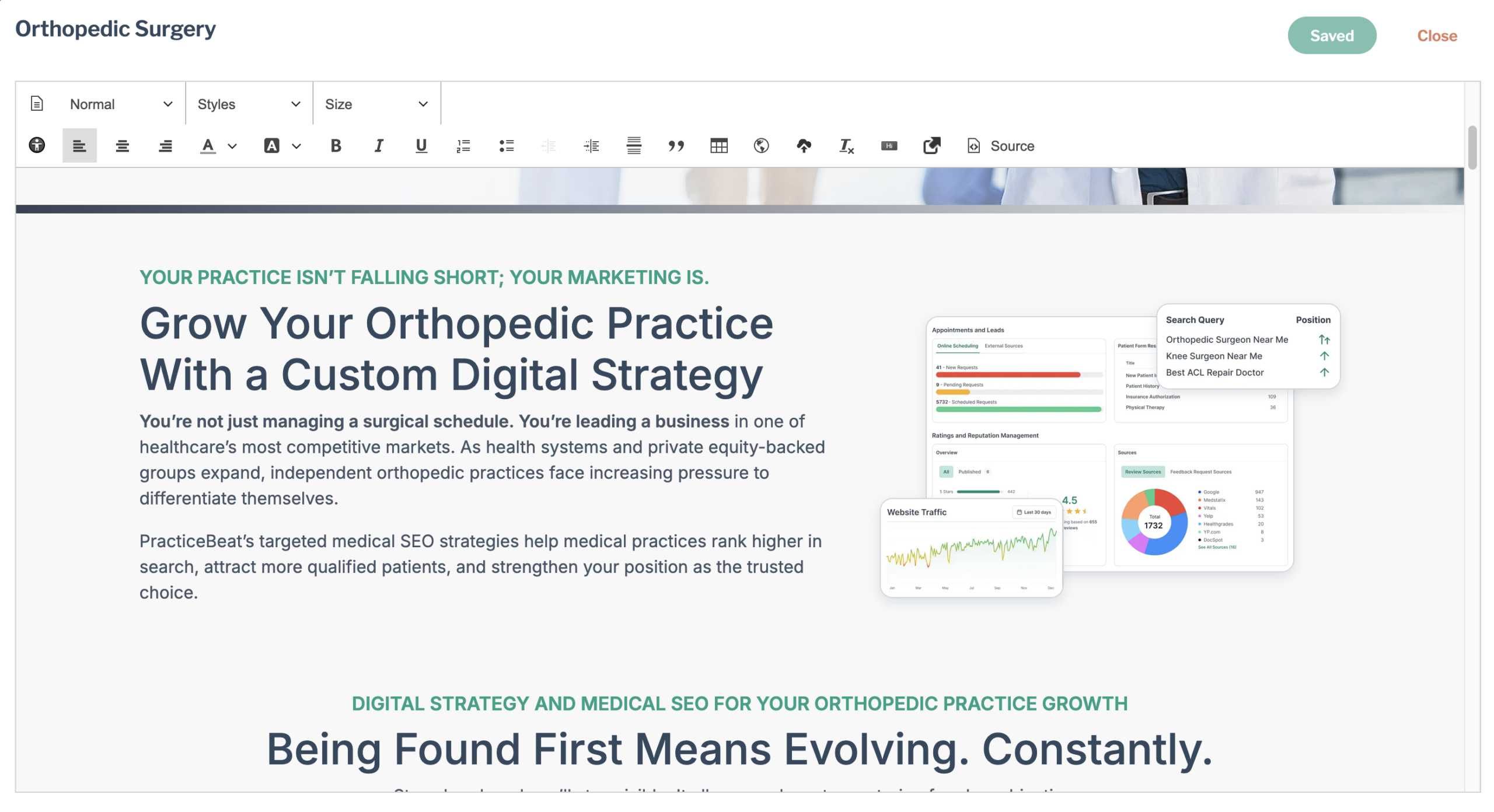
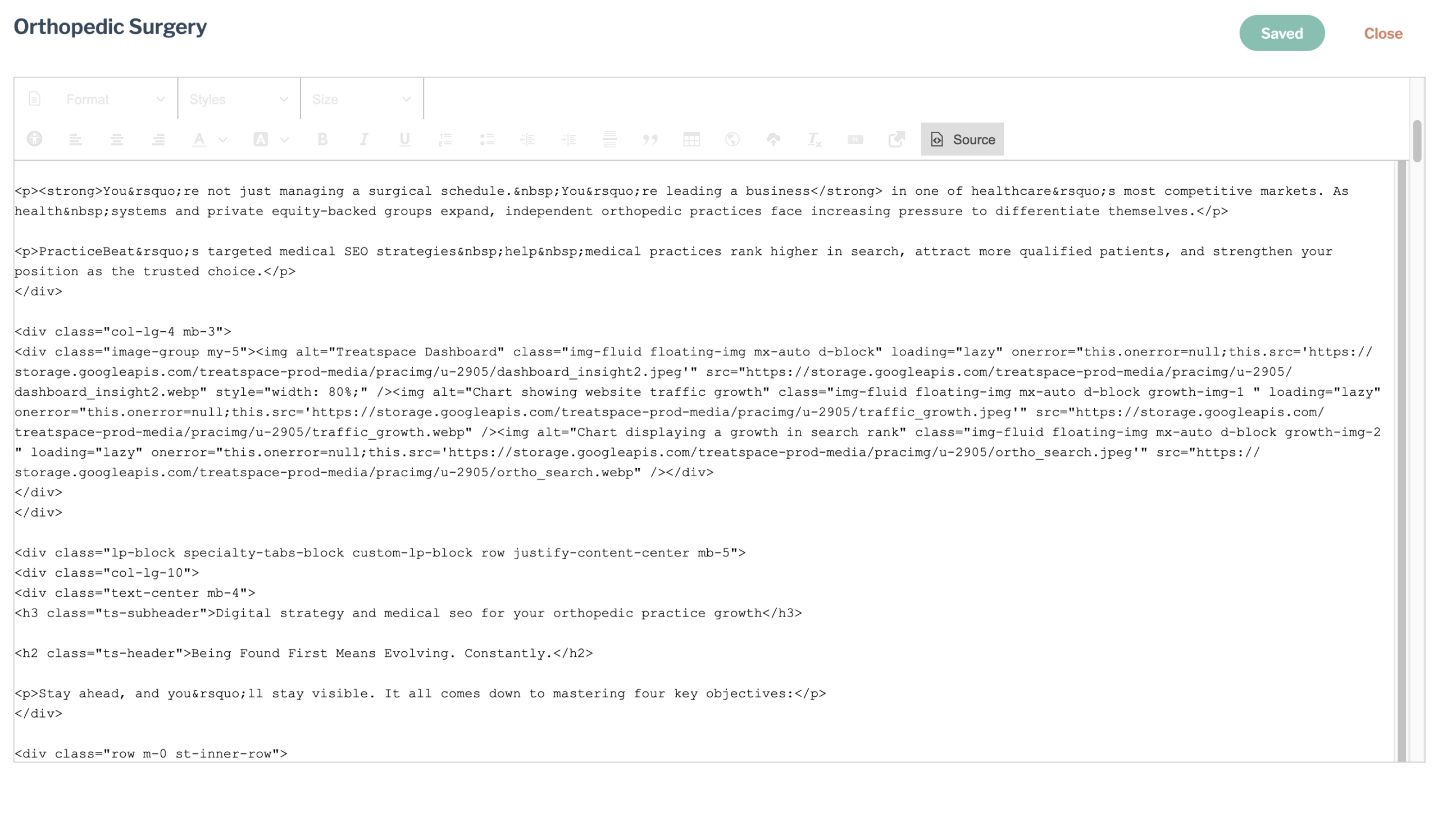
While I would eventually help to create a completely new website builder, I was stuck using a very outdated CMS while leading design & implementation for PracticeBeat. The websites ran primarily on bootstrap and custom themes, with a templated block-building system for core pages. Service pages and any custom pages had to be built with raw HTML. In addition to our limited tools, we also had to ensure very stringent technical performance standards.

This became the main challenge of my role as I quickly mastered a system that was able to provide quality web design without the aid of modern frameworks or tools. Over a 3 year period, my team designed and built about 200 medical websites.

I no longer work on PracticeBeat website implementations, but I still manage the technical standards, represent the implementation team on sales calls, and help address issues with the sites. I’m also responsible for making sure the team has all of the tools they need to do their job.
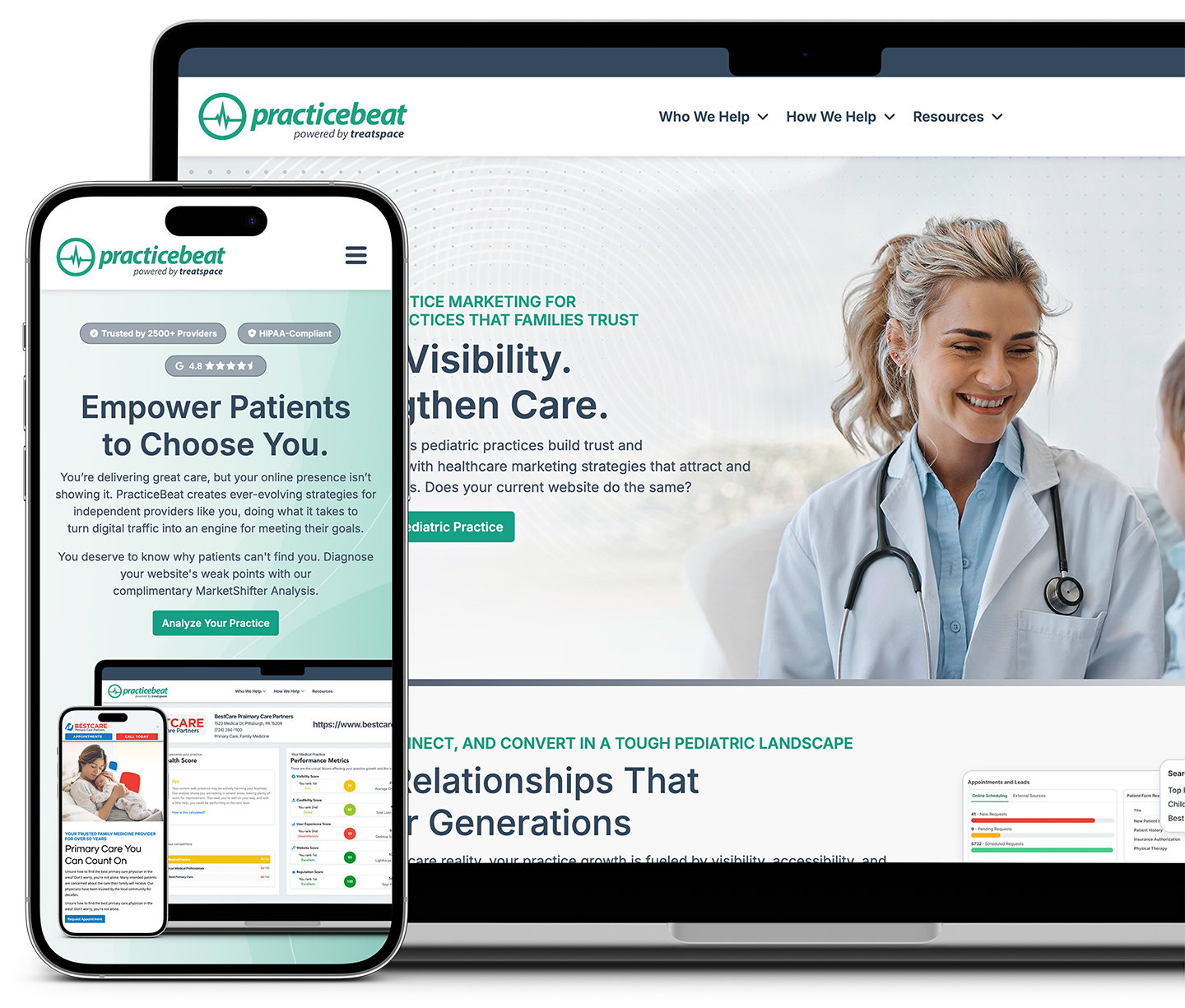

Website Examples

About My Role

Here are some notable aspects about my role at PracticeBeat, and how we managed to launch 5 high-quality websites per month for our customers:

Team Management & Workflow

The Design & Implementation team consisted of 5 members; 3 off-shore and 2 on-shore. It was a requirement that everyone could do quality design work and code in HTML/CSS so that we were capable of doing a project solo or working together to specialize.

We met daily to track build progress, set tasks, and learn from our mistakes – this kept us on task and always ahead of schedule. It also gave me an opportunity to introduce short training sessions into our daily routine. We had two ‘modes’ that we operated in, depending on the amount of work we had:

Slow: When deadlines were not an issue, each team member took their own site to design and build. This allowed for more creative freedom and a more rewarding sense of accomplishment.

Busy: Off-shore took on the more tedious tasks of on-boarding, site architecture, and content. On-shore seniors refined & polished the mostly-completed sites, while QA-ing and doing launch-prep.

Logo Design & Branding

Because a majority of PracticeBeat customers were doctors taking their first steps into independent practice, they would often show up to their first call with little-to-no branding for their new business. In order to keep projects moving we started offering complimentary branding for practices that needed it. We developed a system to build a brand in 1-2 hours, providing a logo, color palette, fonts, and a mood board. You can read more about our branding process in my case study. For an additional cost, we would even create marketing collateral like business cards & flyers.

Website Design

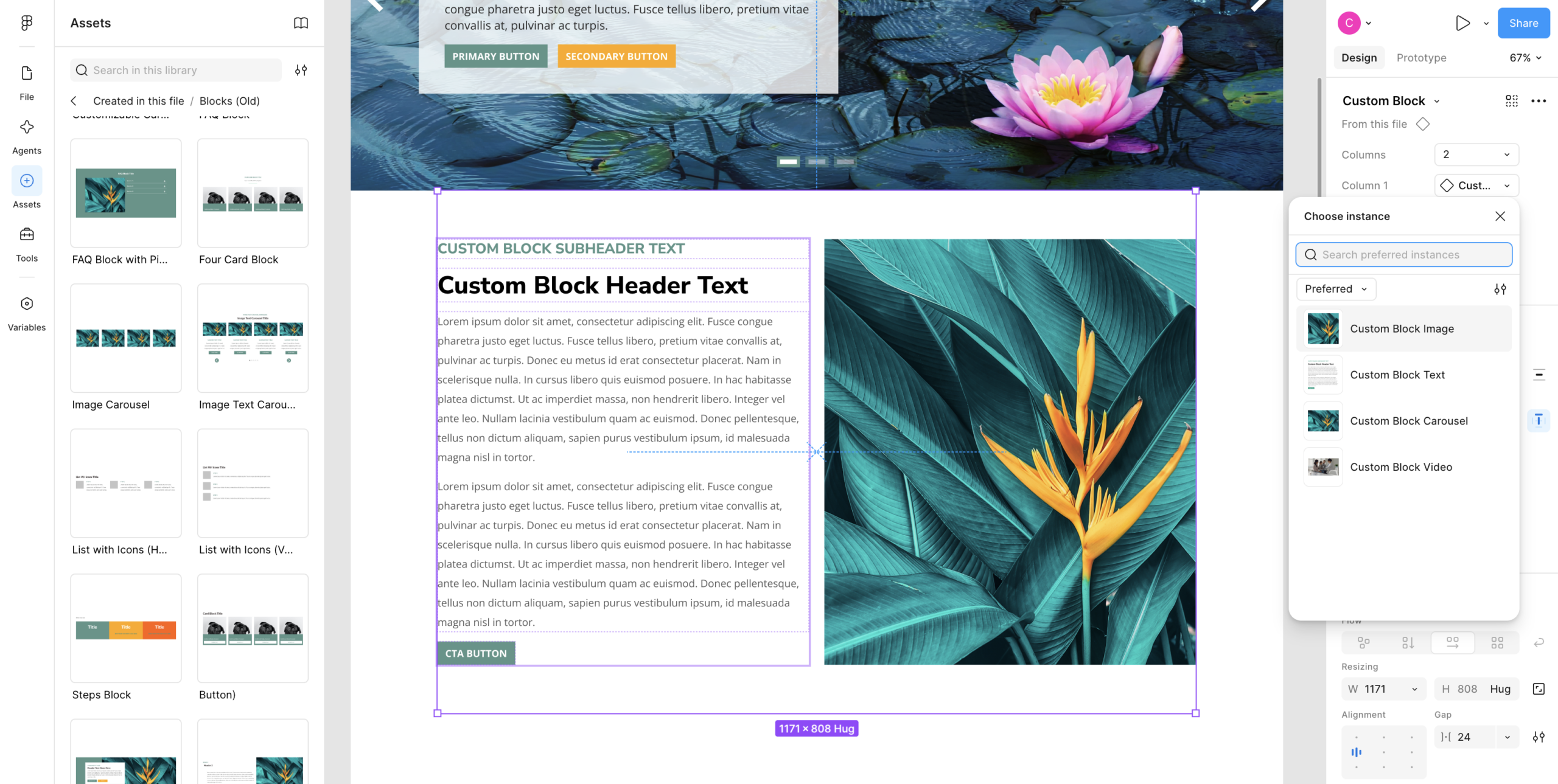
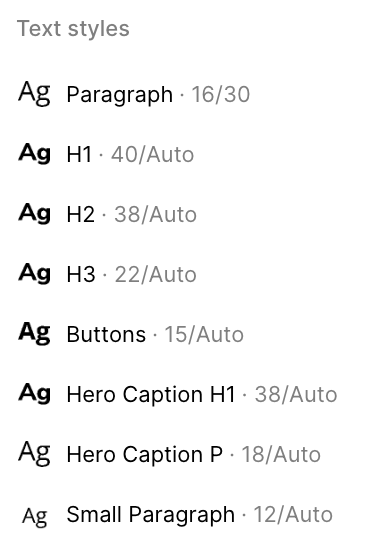
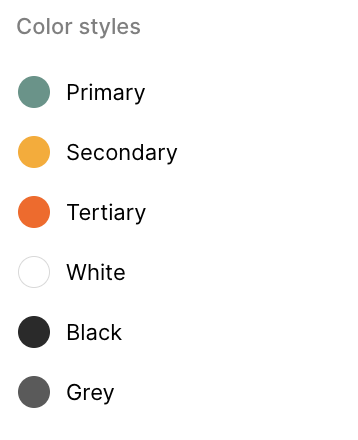
Our design process started with a component library in figma – anything you could add into our website builder had a figma component. Our designer would start by updating the font & color variables to update the entire block library, then they would drag & drop everything they needed into place. A style sheet would be automatically created for the customer, along with bitmap & vector logo files. We would mock up any pages requested by the customer, but typically tried to keep it to the home page only.

By implementing this system, our design turnaround dropped from 1-2 days to 2-3 hours. We spent that time saved by starting site builds earlier, providing complimentary design services, and designing new blocks for the builder.

Website Build

While we waited for design approval, out team would begin onboarding the practice to our platform. This involved creating the practice and adding all of its entities, like providers, locations, and services. After onboarding the practice and getting design approval, we would start building out pages, setting up navigation, and adding brand styles to the theme settings.

At this point, we would add any 3rd-party integrations or put the site on hold until content approval. After content approval, we would replace the placeholder content with the approved content and do a final QA of the website.

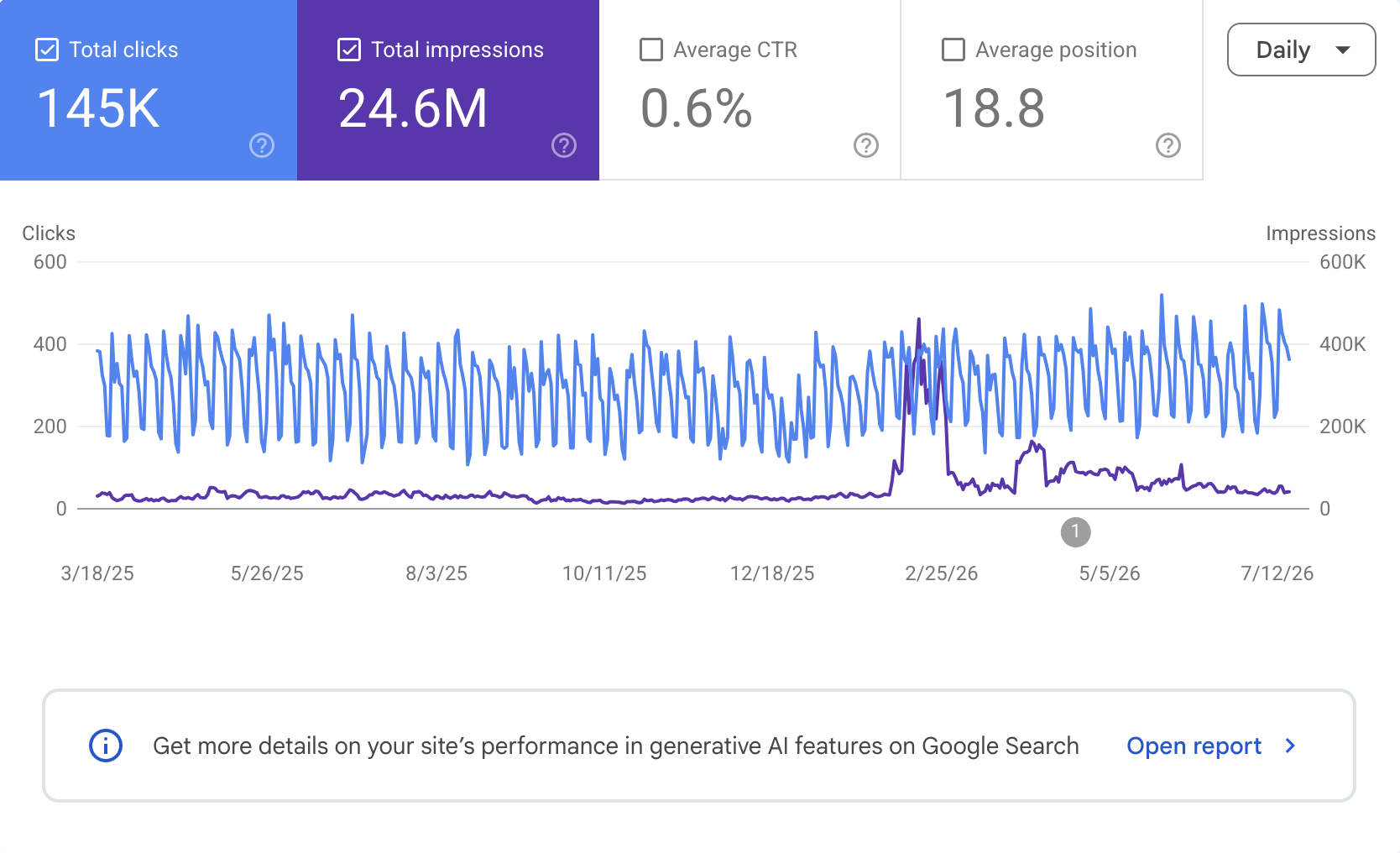
After launch, we would set up GA4 through a GTM container and run a series of post-launch audits to check for accessibility issues, page speed failures, broken links, and more. Progress would be monitored for the first week to ensure tracking data & traffic was healthy, then the site would be passed off to the Customer Success team.

Tracking & Analytics

I was responsible for creating and managing our standard GTM container templates. We had multiple types depending on the type of practice, and whether they were running ads. This was surprisingly one of the most difficult and stressful parts of my role. Between cookie consent and HIPAA, I’ve been pulled into a handful of lawsuits and demand letters that cover a very new and undeveloped legal landscape.

Because of HIPAA, medical practices face a lot red tape when it comes to tracking users. We used anonymized user data to track interactions and collect conversion data in Google Analytics. There was a combination of standard GTM events and custom events built into our platform that allowed us to do sufficient tracking while staying HIPAA -compliant.

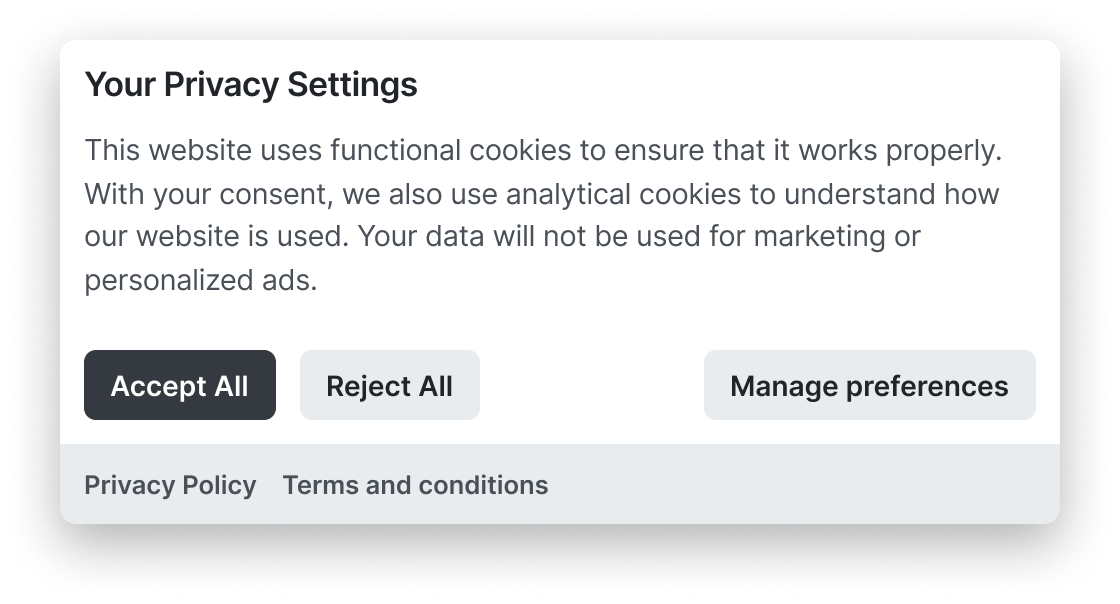
I also helped develop a cookie consent system on our platform that helped us stay CIPA-complaint and save ~$40,000 in CMP costs.

Accessibility

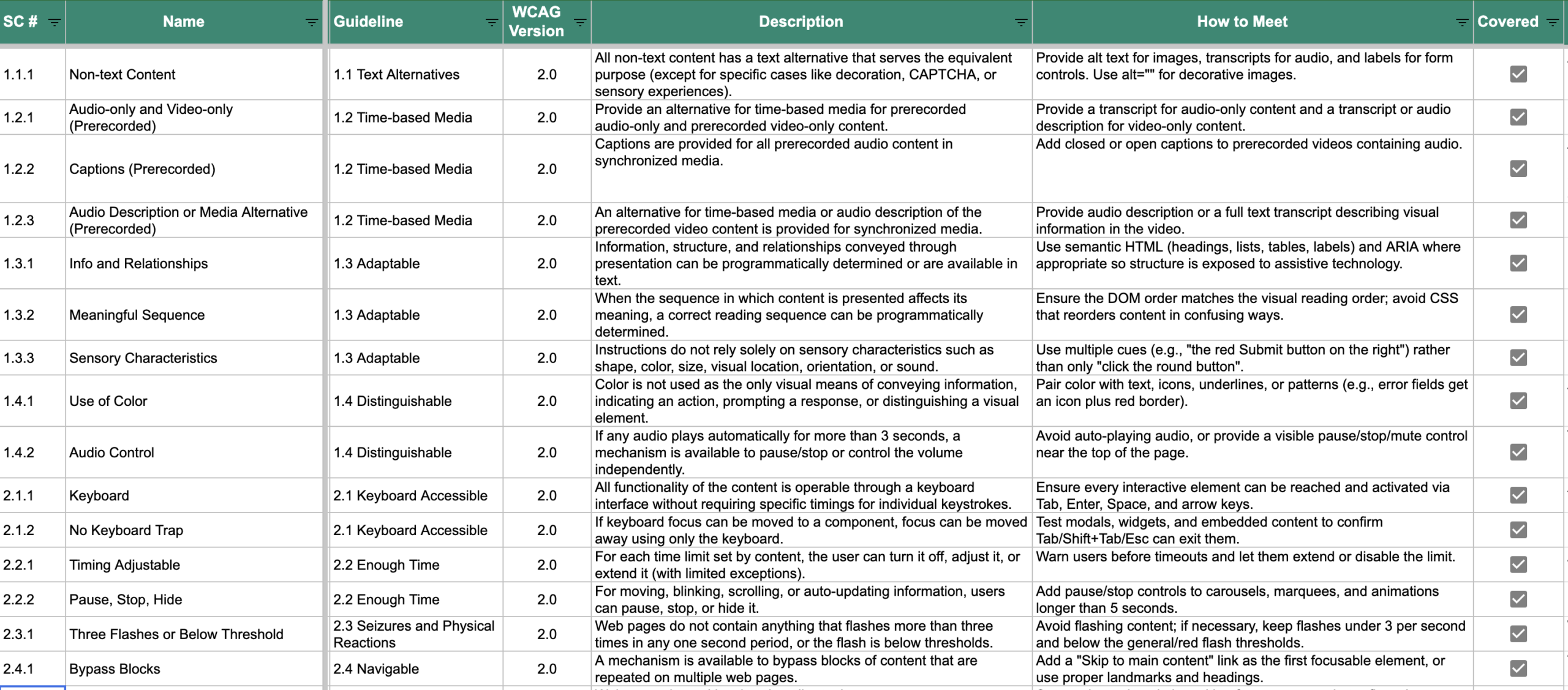
Accessibility was also a large part of my role with PracticeBeat. I was responsible for defining our ADA standards and making sure that all of our sites were compliant. We covered ~85% of all WCAG measures, and 100% of A-AA, 2.0-2.2.

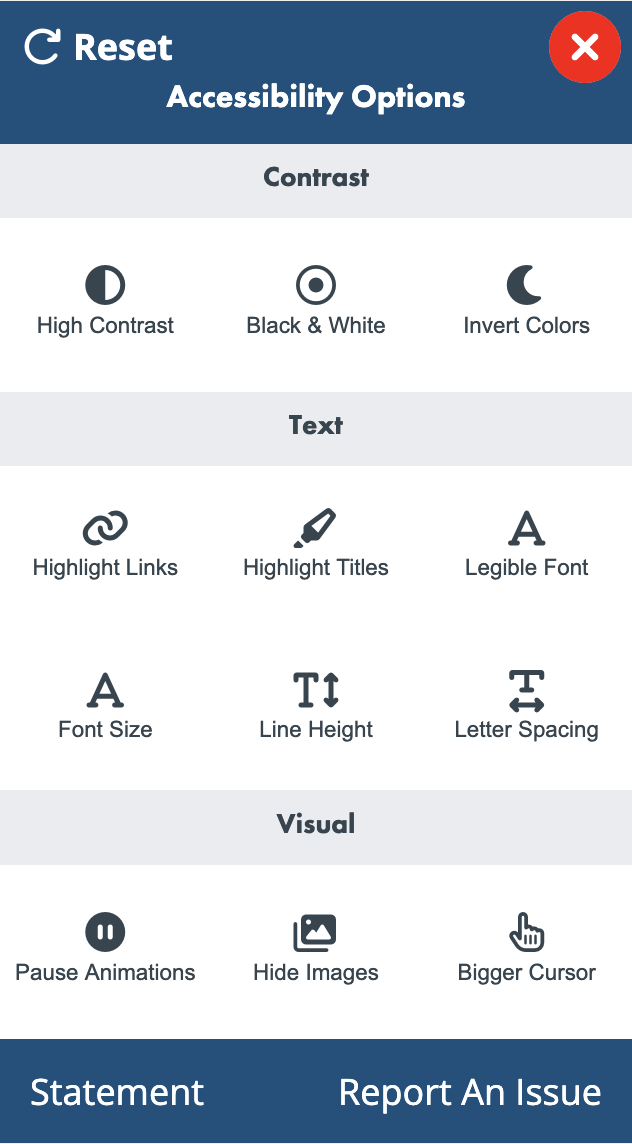
We also created an accessibility widget that was an optional feature for our websites. It cover most of the visual issues that a user might experience by allowing them to increase contrast, font size, letter spacing, and more.