Turning a Slack conversation into a live, user-tested prototype before it ever reaches a designer’s desk.

Rebuilding Our Workflow with Generative AI
When generative AI began rapidly changing the way software could be designed and built, I saw an opportunity to do more than simply add another tool to our design toolkit.
At Treatspace, I was given an unusually rare opportunity: complete freedom to experiment with LLMs, virtually no budgetary constraints, and the mandate to discover what was actually possible. In a lot of ways, I became a researcher.
I partnered closely with our Head of Product to build something specific: a workflow that could take a raw idea — the kind that starts as a few messages in a Slack thread — and carry it all the way to a working prototype, without a designer touching a single pixel until that prototype had already been tested.
An idea gets scoped into a PRD, generated into a functional build using our design system and codebase, run through user testing, and automatically refined based on what those tests turn up. Only then does it land in front of a designer for review. What used to take days or weeks now happens in minutes to hours, with productivity gains of up to 10× or more depending on the type of work.
Rethinking the Project Requirement Document
Relevant Case Study: Bridging the Gap: Design to Development at Treatspace, Inc.
When I moved into product design at Treatspace, project requirements were not a thing. We would discuss ideas as a group, talk through a game plan, and break out. Scope creep was constant and unexpected technical requirements often forced reworks for both design and engineering.
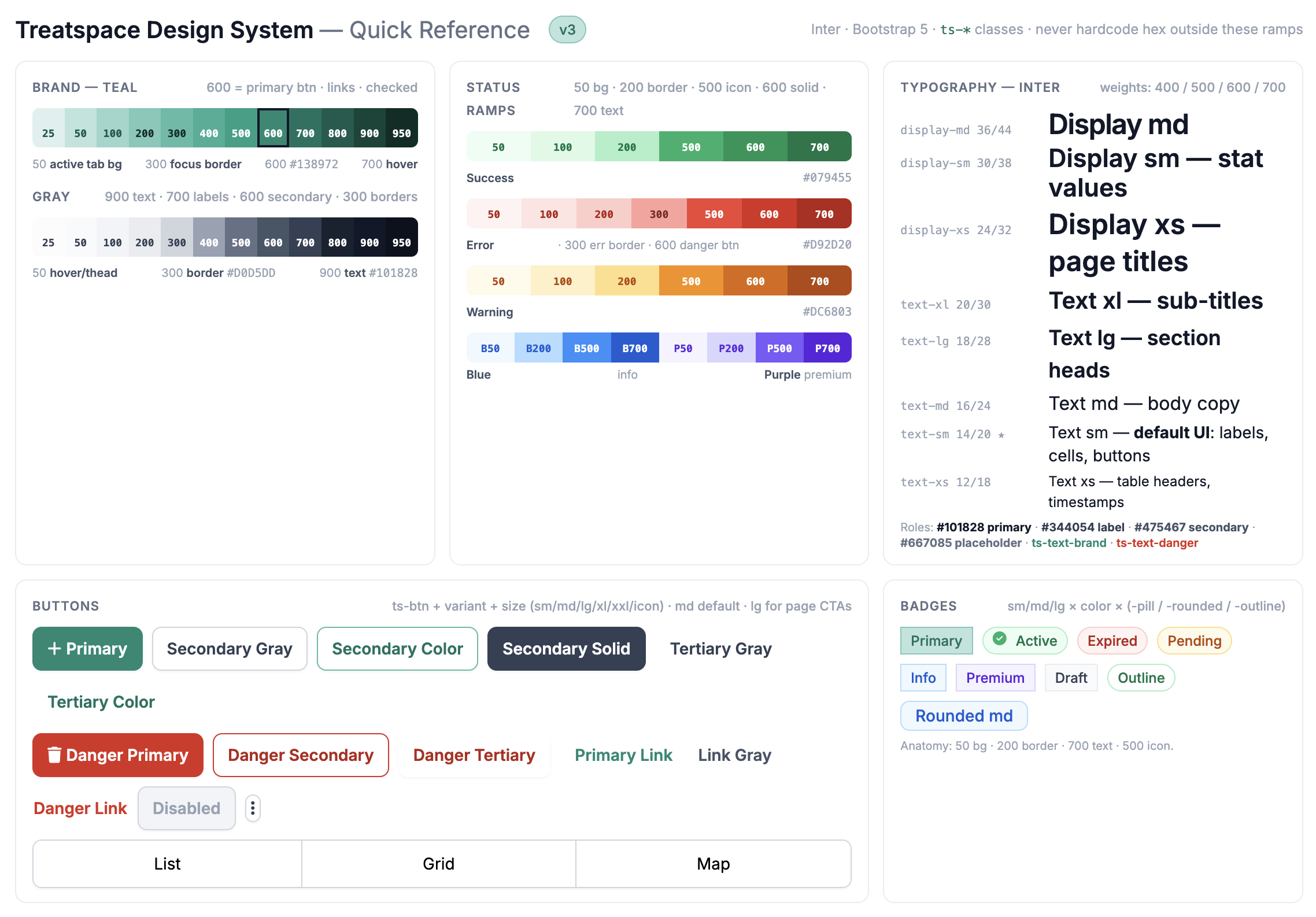
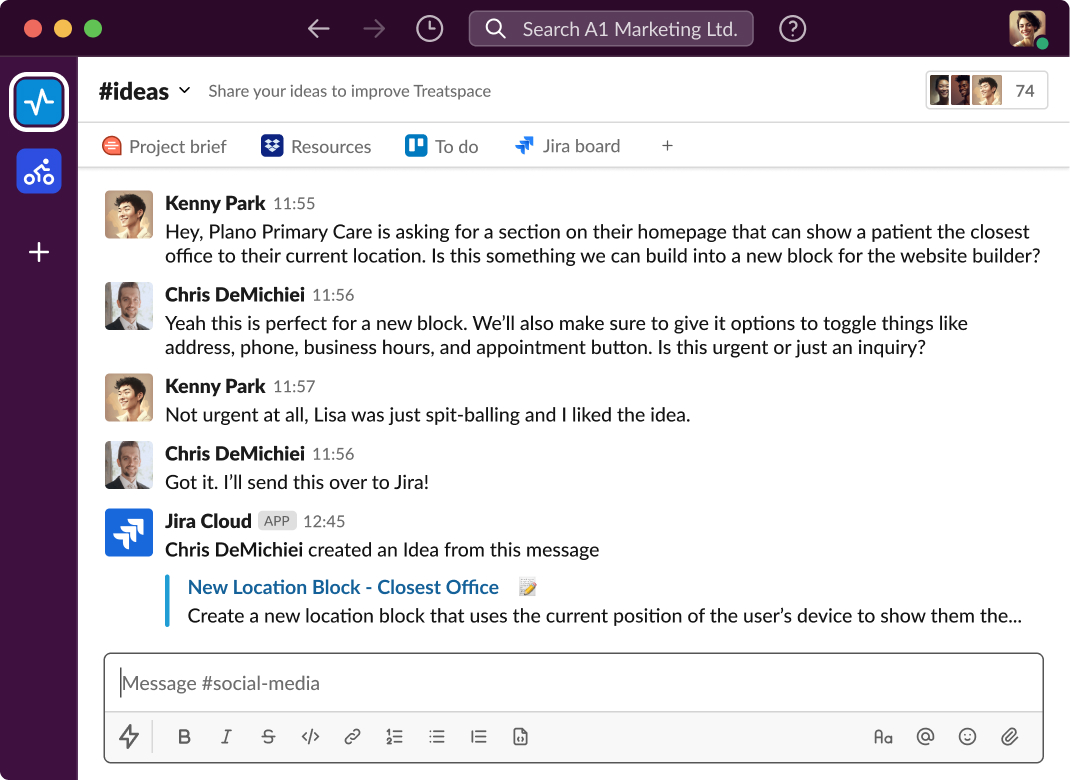
Using a combination of Slack, Jira Product Discovery, and Claude, I was able to create an automated workflow that provided the product team with clear project requirement documents for each new idea that spawned from a Slack conversation – Slack being the space where most of our product discussion took place.
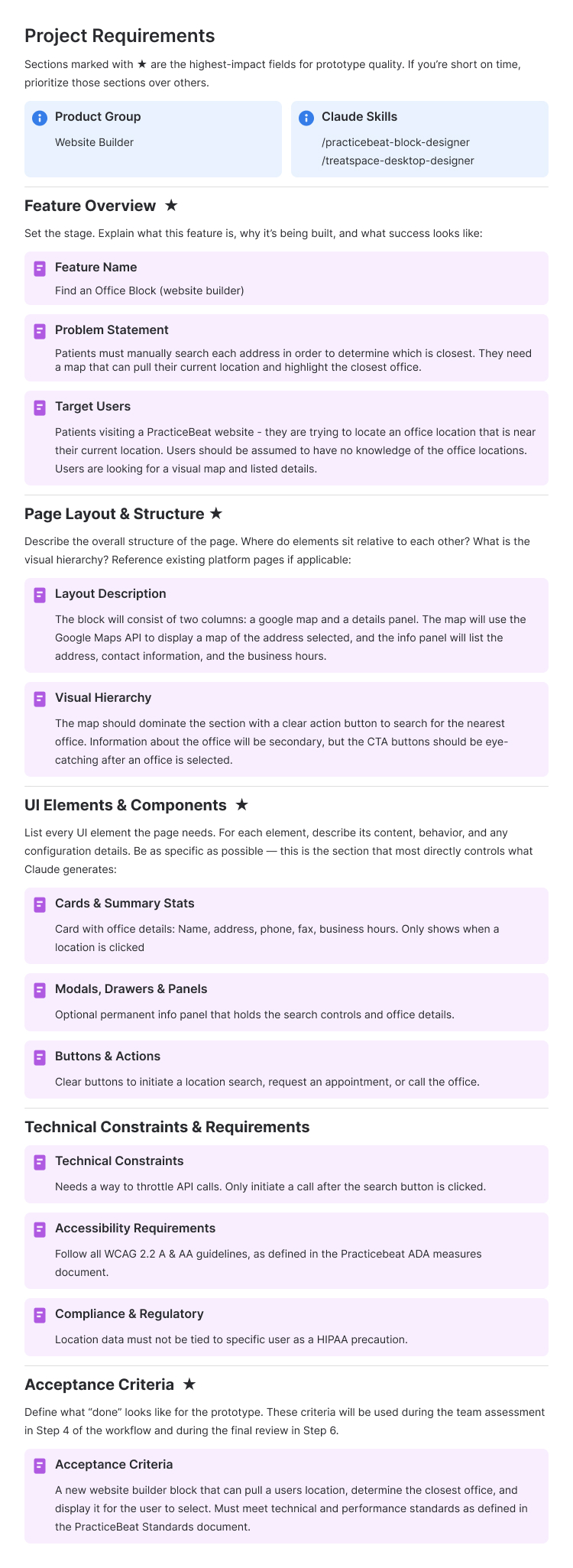
These PRD’s were not only clear and concise references for all teams to agree on, but they were formatted to feed directly into our generative AI tools. This provided a nearly automatic Idea-to-Prototype workflow that allowed us to validate real, working features, rather than a half-baked idea.
Ready For Validation In minutes
Leads within the Product Team adjust the generated PRD’s manually to provide additional context and validate timelines. Once the document is approved, the feature/idea is generated using our design system and codebase. This results in a rough deliverable that can be adjusted by the design team, reviewed by the engineering team, and tested by the customer success team.
This process would take anywhere from days to weeks before generative AI – things needed to be perfect due to the time invested in making working prototypes, and missing the mark on a user test was devastating. Now user tests are something we can always look forward to, and the lessons we learn from them don’t sting like they used to.
Generated from Claude Opus 4.8 in ~3 mins:
Understanding & Acting on User Feedback
There will never be a replacement for 1-on-1 human user testing sessions, but they can sometimes be more effort than they are worth. 1-on-1 sessions are still an option when necessary, but we also started doing recorded solo sessions. These sessions are recorded and transcribed, allowing for many tests at once. Each session is summarized and ultimately aggregated into a master list of common pain points and bugs.
Sessions can be initiated manually by our team, or automatically by users themselves on the platform.
User Testing Session Report:
Review & Refinement
This is pretty much where the humans take over. We get a final prototype, adjusted for feedback, and begin reviewing the output. We smooth out the rough edges and make sure the engineers have a useful figma file. Often times font styles will not be applied, or a color may not have the correct variable – we correct these mistakes and adjust the design to meet PRD success criteria/design best practices.
Although this is a human endeavor, AI aids us along the way with Claude & Figma Agents being able to audit the initial prototypes and make bulk adjustments.
Final Prototype for Review:
The Results
Integrating generative AI into our idea-to-prototype workflow has proven to be extremely beneficial, but I remain cautiously optimistic. Too much reliance on these tools can create uninspired or lazy designs, and costs can be volatile. Putting a capable and experienced designer/developer at the helm of this workflow is the key to producing high quality designs with minimal token usage.
What changed most wasn’t just how fast we could build — it was how often we could afford to test. When user testing and refinement happen automatically, before a design ever reaches human review, testing stops being a bottleneck and becomes something the team can lean on constantly.
Here are some of the improvements we saw:
16x
Faster ProductionTime to push a block live reduced from ~8 hours to 30 mins.
10x
More User TestsOne of our biggest gains - this automated a major bandwidth gap.
75%
Effort DecreaseInternal metrics used to track dev efforts were reduced from 80 to 20.
5x
Blocks per MonthNumber of published blocks per month rose from ~2 to 10.